
Haughton International Seminar
“Courtly Magnificence - Gender, Dynasty & Politics”
Wednesday, 24th and Thursday, 25th June 2026
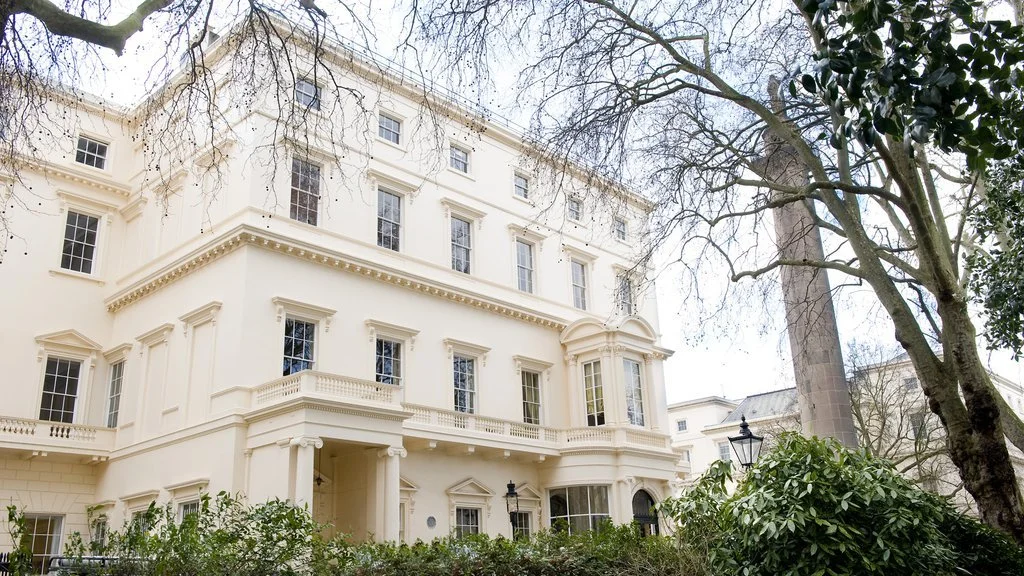
At The British Academy, 10 - 11 Carlton House Terrace, London SW1Y 5AH
From the Royal Courts of the Middle Ages to the 20th Century, this seminar will look at how some of the world's greatest art collections were formed. It will explore how political intrigue and power were involved in their accumulation, and how the personalities of these Royal collectors - women as much as men - were reflected in their collections.
The subjects to be discussed will include:
Catherine The Great, Marie Theresa of Austria, Frederick the Great, Queen Hedwig Eleonora, Madame de Pompadour, Courtly Maiolica, Imperial City Collections, The Thorne Miniature Rooms, Lady Charlotte Schreiber and our Royal Family’s Collections to name but a few.
Booking in advance through the website is essential due to limited numbers. Box Office will open shortly and a full programme published. Keep watching this space.
Please visit the videos and articles section of the website to view copies of lectures given at past seminars.

Meissen Portrait Medallion of Augustus III, King of Poland and Elector of Saxony wearing stylised ‘Roman’ vestments and the order and sash of the Golden Fleece. Circa 1737.
© Brian Haughton Gallery
Cost of the two day seminar: £140 (inc VAT)
Cost of the two day seminar including champagne reception and dinner at The Athenaeum (Wednesday 24th June): £230 (inc VAT)
Student tickets for two day seminar (on production of ID): £60 (inc VAT)
Speakers
-
Dr. Silvia Davoli
-
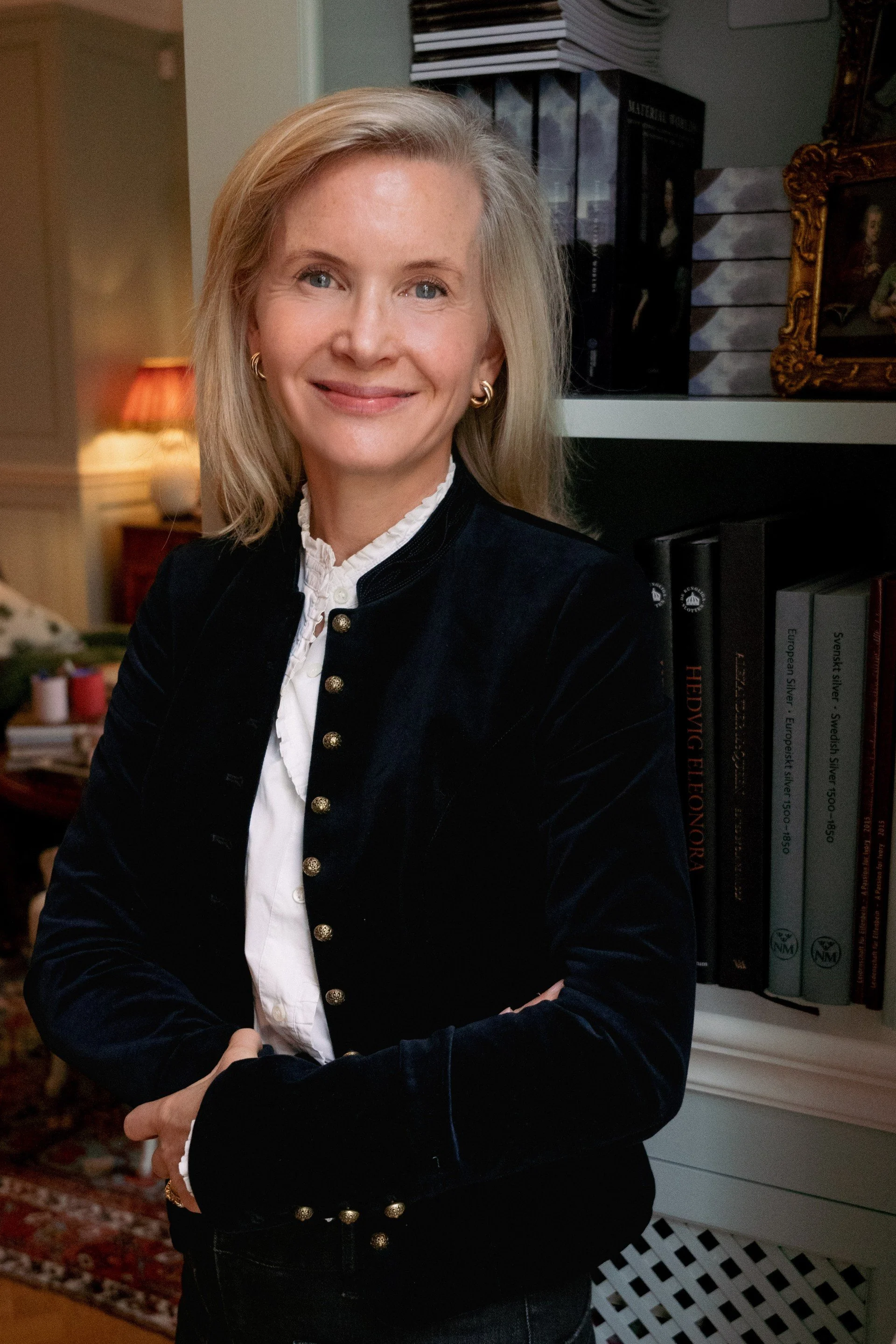
Dr Lisa Skogh de Zoete, Art Historian
Dr Lisa Skogh de Zoete is an art historian who has worked and pursused research at many various institutions such as the Metropolitan Museum of Art, the Nationalmuseum in Stockholm, the Hermitage in St Petersburg, and more recently at the V&A museum. She has been a a founding trustee of theThe Society for the History of Collecting (2016-2024)and is currently a member of the Campaign Board of the Courtauld. She is based in London and she specialises in early modern collecting especially on Kunstkammer collections but also portraiture and female patronage. Lisa has published extensively. Her MA is from the Bard Graduate Centre in NYC and her PhD from Stockholm University. She is the main editor the volume Sir Balthazar Gerbier (1592-1663). Early Modern Polypragmatism for Amsterdam University Press (to be published 2026) and she is based in London.
-
Mia Jackson
-

Rose Kerr, Specialist in Chinese Art
Rose Kerr is a specialist in Chinese art, especially Chinese ceramics, and is the author of numerous books on Chinese art. She was Keeper of the Far Eastern Department at the Victoria and Albert Museum, is honorary associate of the Needham Research Institute at Cambridge University, and an honorary fellow at the University of Glasgow. She is a former Chairman, and Trustee, of the Great Britain-China Education Trust; a Trustee of the Percival David Foundation of Chinese Art; and Museum Expert Advisor for the Hong Kong Government. In 2015 she was made an honorary citizen of Jingdezhen, the historic centre of Chinese porcelain production and in 2025 she was appointed a Visiting Research Fellow at the Institute of Ancient Ceramics Research at the Palace Museum, Beijing.
-
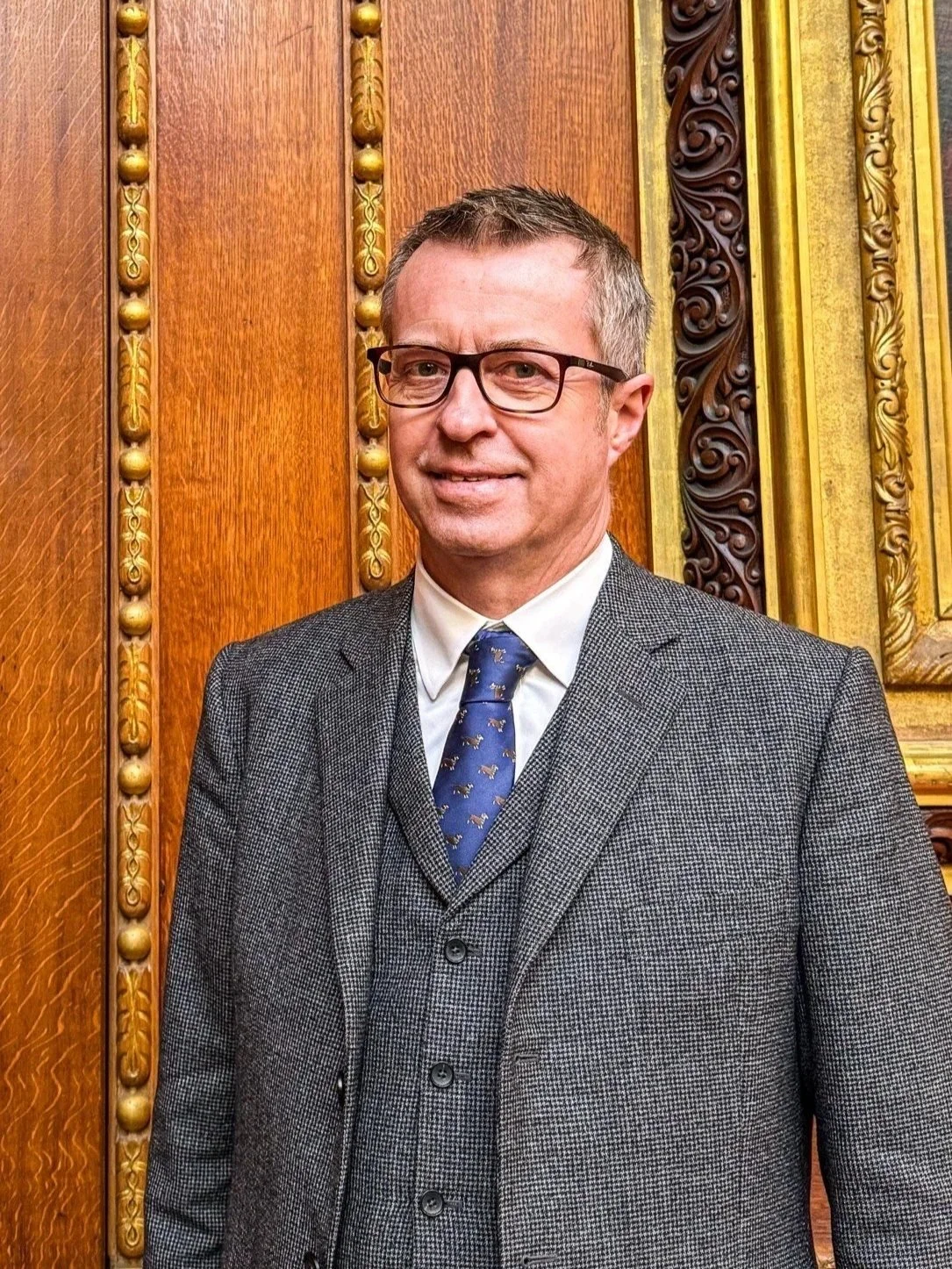
Tim Knox, CVO, Director of the Royal Collection
Tim Knox was appointed Director of the Royal Collection by Queen Elizabeth II in 2018. Previous to that he was Director and Marlay Curator of the Fitzwilliam Museum in Cambridge 2013-2018. Between 2005 and 2013, he was Director of Sir John Soane’s Museum in London, and from 2002-2005 he was Head Curator of the National Trust.
He regularly lectures and writes on country houses, architecture, sculpture and the history of collecting. Publications include Sir John Soane’s Museum London (2010), and The British Ambassador’s Residence Paris (2011).
-
Caroline McCaffrey Howarth
-
Lara Pitteloud
-

Ivan Day, Food Historian, Museums and Country House Consultant
Ivan Day is well known in the museum world for his recreations of period table settings.
His work has been widely exhibited in Britain, the US and Europe. Recent installations have been the Edible Monument at the Getty Research Institute (2015), Detroit Institute of Arts (2016) and the Fitzwilliam Museum (2019-20). He also worked with Meredith Chilton on an English dessert table at the Gardiner Museum. He is the Chair of the Leeds Symposium on Food History and Traditions.
-

Dr Timothy Schroder, DLITT, FSA, Former Curator, Lecturer and Author
Dr. Timothy Schroder is a lecturer and writer. Most of his career has been focused on silver, at Christie’s, as a dealer, and in the museum sector in the USA and the UK. He is a trustee of the Wallace Collection, president of the Silver Society and a member of the Fabric Commission of Westminster Abbey; he served two terms as Prime Warden of the Goldsmiths’ Company. His book on gold and silver at the court of Henry VIII was published by Boydell & Brewer in 2020.
-
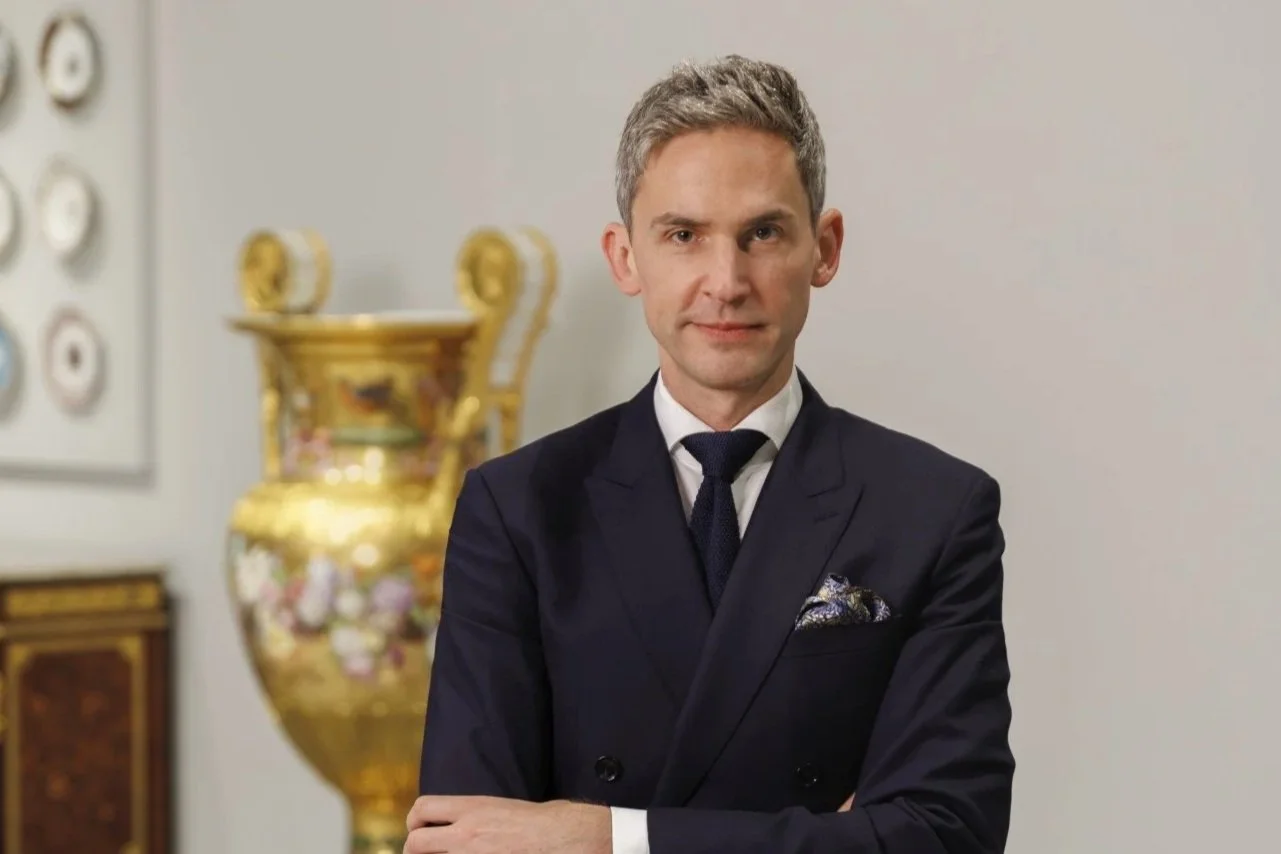
Dr. Christopher (Kit) Maxwell, Chair and Eloise W. Martin Curator in the department of Applied Arts of Europe at the Art Institute of Chicago
Christopher "Kit" Maxwell is the Chair and Eloise W. Martin Curator in the department of Applied Arts of Europe at the Art Institute of Chicago, which he joined in 2022. Prior to the Art Institute, Kit served as curator of early modern glass at the Corning Museum of Glass where he was responsible for collections from about 1250 to 1820, and researched innovations of 18th-century British glass. His 2021 exhibition at Corning, In Sparkling Company: Glass and the Costs of Social Life in Britain During the 1700s shed new light on the significance of glass in domestic, court, commercial, scientific, and colonial settings. Before the Corning Museum of Glass, Kit worked in several different capacities at the Royal Collection Trust, and from 2005 through 2010 he held the position of assistant curator in the Ceramics and Glass Section at the Victoria and Albert Museum. Kit received his BA in the History of Art from University of Cambridge, his MA in Decorative Arts from University of London, and his PhD from University of Glasgow. His recent post-doctoral work includes a research degree in Nazi-era Provenance at the University of Glasgow, and another in Caribbean Studies at the University of Warwick.
-
Lara Pitteloud
-

Professor Timothy Wlson, Honorary Curator, Department of Western Art, Ashmolean Museum
Tim Wilson retired in 2017 as Keeper of Western Art at the Ashmolean Museum and Oxford University Professor of the Arts of the Renaissance, after more than 25 years. He is a specialist in European Renaissance pottery and decorative arts, especially Italian maiolica. His book Italian Maiolica and Europe was published in 2017; it is both a catalogue of the Ashmolean’s Italian pottery and a study of the spread of the tin-glaze tradition through Europe and beyond. The Golden Age of Italian Maiolica-painting was published by Allemandi in 2018. His catalogue of the maiolica exhibition at the MAK, Vienna, Tin-glaze and Image culture, was published in November 2022.
Programme
-
Dr. Silvia Davoli
-
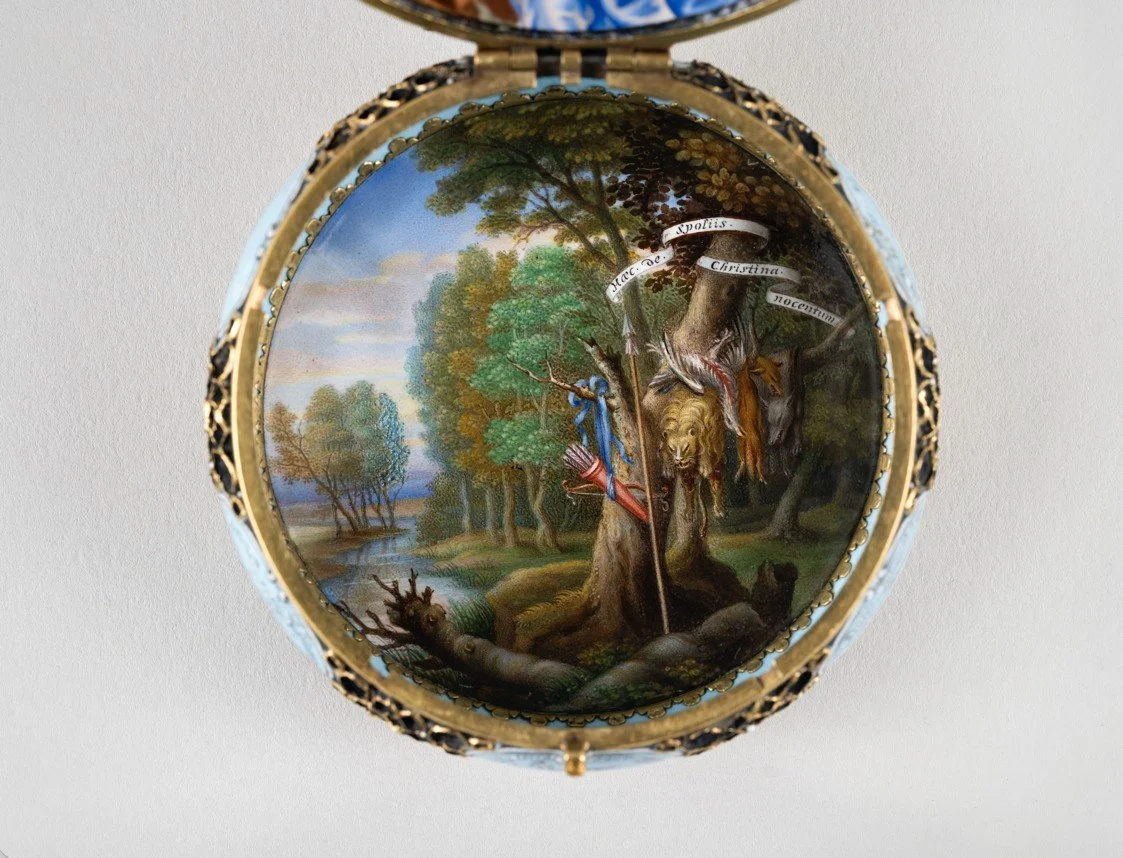
A family network of collectors: Maria Eleonora of Brandenburg, Christina of Sweden and Hedwig Eleonora of Schleswig-Holstein-Gottorp
Dr Lisa Skogh de Zoete
Queen Christina of Sweden’s (1626 - 1689) place at the centre of a family network of northern European royal collectors and patrons has been little studied. But her relationship with her mother, Maria Eleonora of Brandenburg (1599 - 1655), was fundamental to her personal development. Drawing on the exempla of the Kunstkammer in Stockholm, this paper will explore how Christina’s passion for collecting – and the wider cultural milieu that informed it – was inherited from her mother and later echoed in her successor, Hedwig Eleonora’s (1636 - 1715), vast collecting activities. This is a politico-cultural platform that Christina has often been portrayed as abandoning in later life. But did she really?
Image:
Pierre Signac, Watch case in gold, precious stones (now missing) and enamelled paintings, with a symbolic portrait of Queen Christina and a celebration of the Swedish army’s lootings. Stockholm, Royal Collections, c. 1648, Courtesy of Royal Collections/ Kungl. Husgerådskammaren. (HGK SS 244)
-
Mia Jackson
-
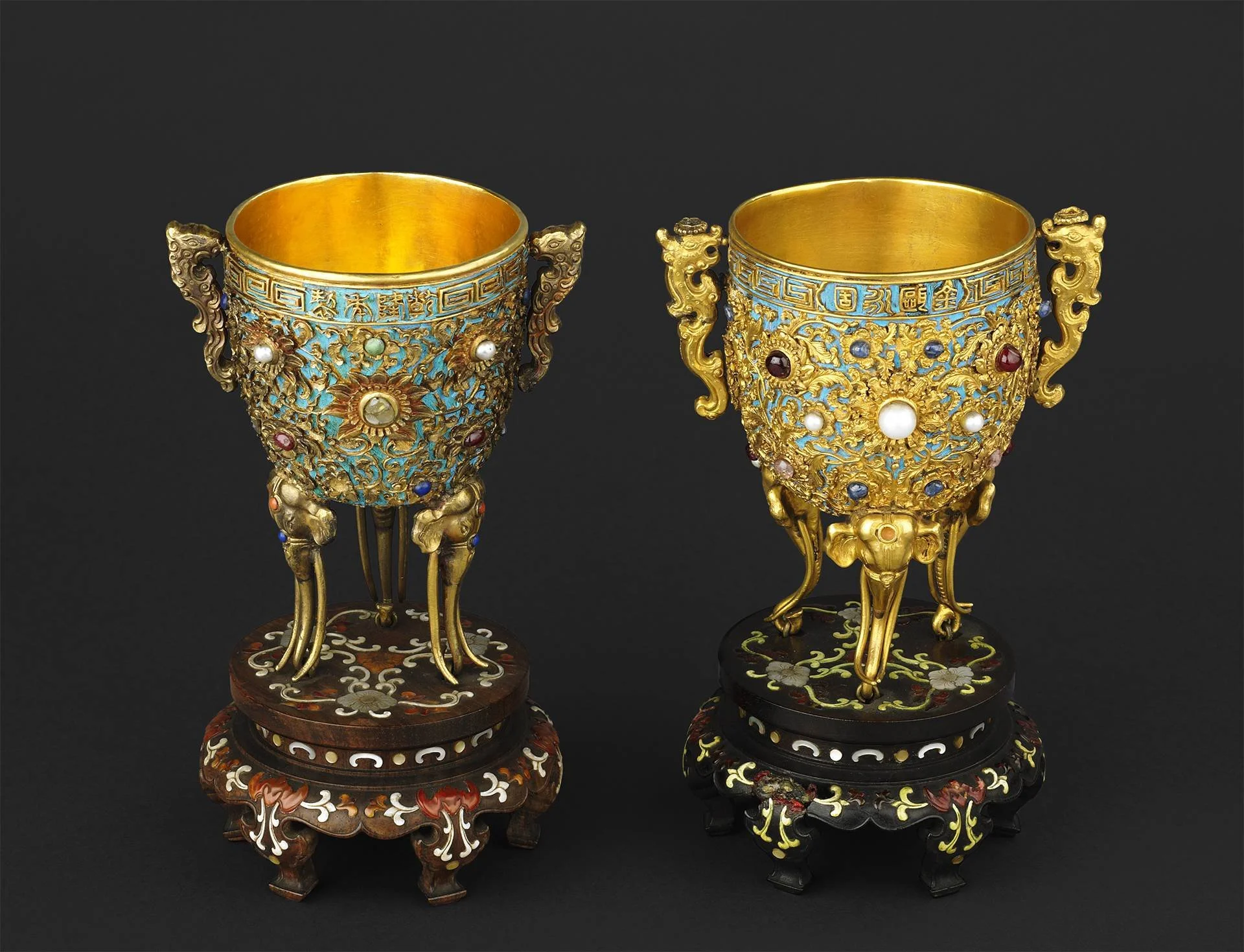
Collections of the Forbidden City
Rose Kerr
The Forbidden City in the centre of Beijing was home to the Emperor and his entourage from the early Ming dynasty, the 15th century. Each emperor commissioned works of art and household accoutrements during his reign, as well as receiving numerous gifts, leading to an accumulation of fine objects in the Palace storerooms. The assemblage of objects by the Qing imperial household, particularly during the Qianlong reign (1736–1795), is one of the most impressive cultural activities in Chinese history. The Qing imperial collection consists of three parts: objects used in daily life, objects reserved in the inner palace that were enjoyed by the emperor and which served as models for his artisans, and objects that were given away as gifts. This lecture will discuss the Forbidden City and its collections.
Image:
18th century imperial gold wine cups, Wallace Collection
-
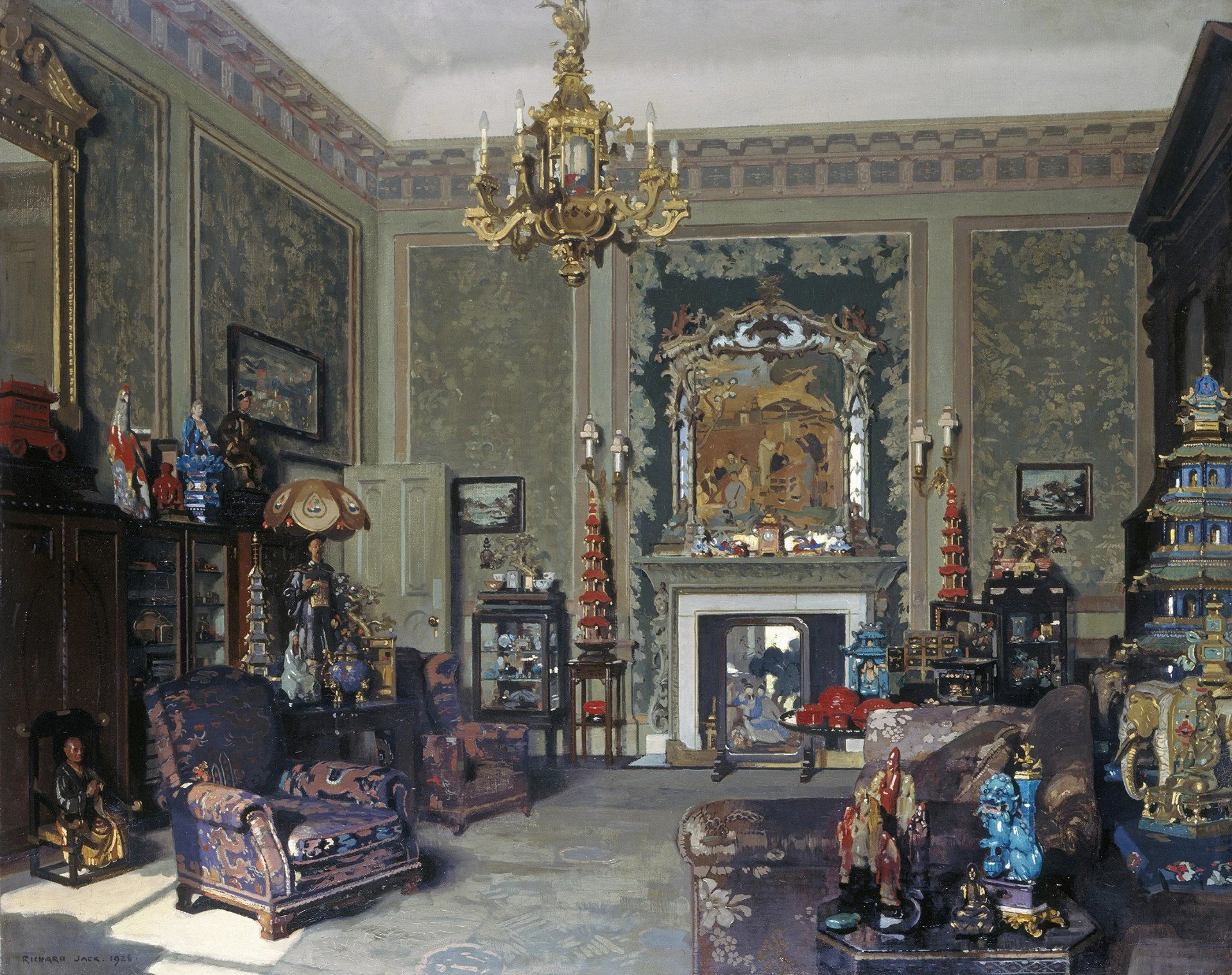
China Queens – twentieth-century royal collectors of porcelain
Tim Knox, CVO
Tim Knox explores the acquisitions of porcelain by successive Queens Consort – Queen Alexandra, Queen Mary and Queen Elizabeth the Queen Mother, as well as gifts received and purchases made for the Royal Collection during the long reign of Queen Elizabeth II.
From Queen Alexandra’s modest tea set decorated with transfer prints of her own photographs, to Queen Elizabeth the Queen Mother’s passion for Chelsea botanical pieces, collecting porcelain has been a hobby of successive Royal consorts. Queen Mary was a particularly avid and discriminating collector, while Queen Elizabeth II’s rare but well-informed purchases of Sèvres were encouraged by expert advisers. The Royal Collection has also been greatly enriched by important gifts of porcelain, while, unusually, at least some of these pieces are still in regular use.
Image:
RCIN 405848
Richard Jack, The Chinese Chippendale Drawing Room, Buckingham Palace, 1926
© Royal Collection Enterprises Limited 2026 | Royal Collection Trust
-
Caroline McCaffrey Howarth
-
Lara Pitteloud
-
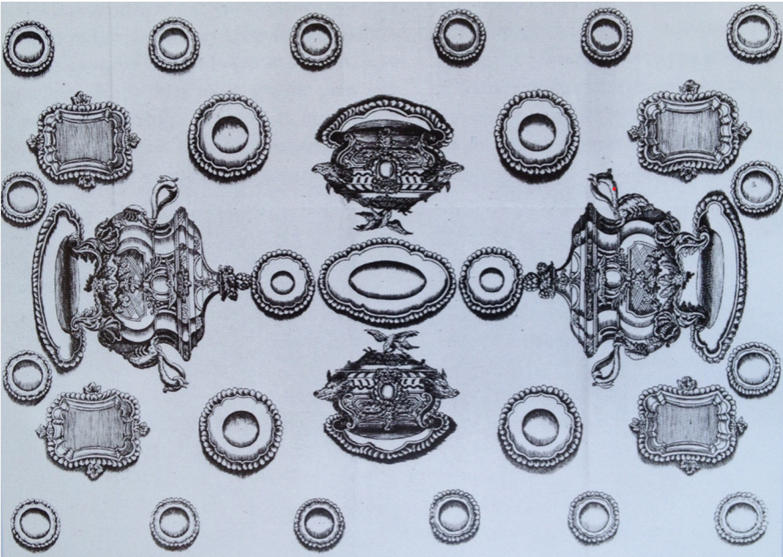
Service a la Francaise
Ivan Day
Dr Timothy Schroder, DLITT, FSA
Like food itself, the way in which it was served has constantly evolved, no less in the realm of great stately banquets than in more domestic dining. These changes were reflected in the composition of dinner services. Eating later in the day created a need for more lighting equipment and changing menus resulted in silversmiths and ceramicists having to provide new kinds of wares. This lecture looks at France and England in the eighteenth century, as innovations in the kitchen led to dramatic changes in the appearance and performance of state banquets, changes that came to be known as 'service à la Francaise'.
Image:
Image title rquestd from TIm Schroder
-

Staging the Past: The Thorne Miniature Rooms and the Theatre of Historic Interiors
Dr. Christopher (Kit) Maxwell
This talk will examine the Thorne Miniature Rooms at the Art Institute of Chicago as a landmark intersection of art, history, and imagination. Installed beneath the museum’s Michigan Avenue staircase, the sixty-eight rooms—crafted at a precise 1:12 scale—were conceived by Narcissa Niblack Thorne, a wealthy Chicagoan, and her workshop. Drawing on extensive travel, archival research, and collaboration with skilled architects, craftspeople, and modern artists, Thorne created immersive interiors inspired by European, American, and Asian traditions. Neither toys nor strict historical reconstructions, the rooms blend rigorous study with theatrical license, echoing the period-room installations popular in American museums. Seen by figures such as Walt Disney, and admired by Queen Mary, they reveal how miniatures function as tools of education, nostalgia, and taste-making. Ultimately, the rooms preserve not just imagined pasts, but the values and aesthetics of elite American culture between the wars.
Image:
E-25: French Bathroom and Boudoir of the Revolutionary Period, 1793-1804
Date: c. 1937
Artist:: Designed by Narcissa Niblack Thorne American, 1882-1966
-
Lara Pitteloud
-
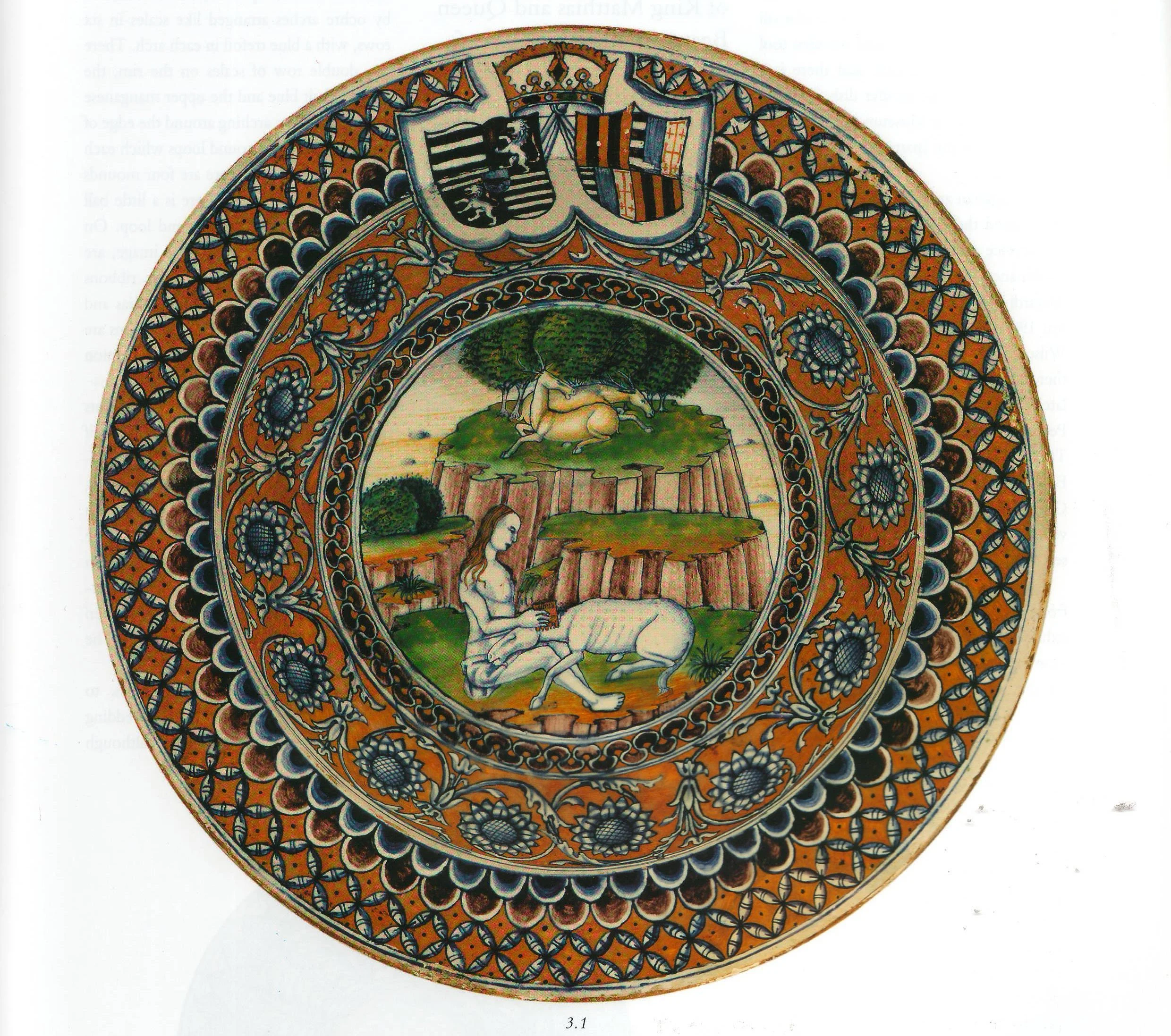
The earliest royal maiolica commission: the service for Matthias Corvinus, King of Hungary, and his wife Beatrice of Aragon
Professor Timothy Wlson
Four plates survive from an extraordinary set with shields of the arms of the humanist King of Hungary, Matthias Corvinus, and his wife, the Neapolitan princess, Beatrice of Aragon. Though long attributed to Faenza and dated around the time of Matthias and Beatrice's wedding in 1476, it will here be argued that the set was made in Pesaro, one of most dynamic centres of early Renaissance artistic maiolica, about 1486-8, perhaps commissioned as a gift to Beatrice from her cousin Camilla, ruler of Pesaro.
Conjoined arms, which are often described as those of husband and wife, may often be more accurately described as the arms of the wife. Other examples of Renaissance armorial maiolica commissioned by women for women will be discussed.
Image:
?
The British Academy, 10 - 11 Carlton House Terrace, London SW1Y 5AH
{10-11} Carlton House Terrace, home to The British Academy, is a spectacular Grade I listed Georgian Townhouse located in the heart of Westminster.

Sponsors
OLIVER & LUCY CHARLES

TEN TEN FOUNDATION INC.